
Blog
Weather Seals and Draughts: What Brandon Homeowners Actually Deal With
Brandon homes built mostly from 1979 to 2013 run original or aged bottom seals. Here's what drives wear in this mild climate and what to check before you call.
What It Costs
We don't have a flat number to hand you here, and we're not going to make one up. What drives the cost on a seal job in this area is mostly the track condition and whether the door itself has warped from years of sun exposure, not the seal material alone. Brandon's housing stock runs 1979 through 2013, with a median build year around 1991 - so a lot of the doors we see still carry original bottom seals and side weatherstrip that's thirty-plus years old and brittle. On a door that age, the seal channel itself has often widened or corroded slightly, which means a straight seal swap sometimes isn't enough; the track or retainer needs attention too, and that changes the job. If your door is from the 1980s-90s wave that makes up most of this area's stock, expect the quote to depend on what the channel looks like once we pull the old seal, not just the seal itself.
One honest limitation: we don't do cosmetic-only seal jobs on doors that are already racked or bowed from age. If the panel's warped, a new seal buys you a few months at best, and we'll tell you that instead of selling you a seal.
Checking It Yourself
Walk out at dusk with the garage door closed and the lights off inside. If you see daylight lines along the bottom or sides, that's your draught path. On houses built in the 1979-2013 range common across this area, the usual failure point is the bottom astragal seal - the rubber strip that sits in a U-channel along the floor edge. Pull on it gently; if it's stiff, cracked, or pulls away from the channel in chunks instead of flexing, it's done.
Check the side seals too, where the door meets the vertical track. These flatten over time and stop making full contact with the frame, especially on doors that have sat through two or three decades without replacement. Run a hand along the seam on a day with wind outside - you'll feel air moving across your palm at the gap.
Last thing: look at the bottom corners of the door panel itself, not just the seal. On older steel doors from the 80s and 90s stock common here, corner rust can lift the seal channel enough that no new seal will seat right until that's addressed.
The Problem
Brandon sits in a mild temperate band, not the extreme heat-cycling you'd get further inland or further north, but the seals on a lot of area doors are old enough now that gradual UV and humidity exposure has done its work regardless. A rubber bottom seal installed when a house was built in the early 1990s - right around this area's median build year - has had thirty-plus years of sun hitting that driveway-facing seam. Rubber doesn't fail all at once from heat; it hardens slowly, loses flex, and starts shrinking away from the channel edges.
The second issue we see across the 1980s-90s stock that makes up most of this area's houses: builders of that era used thinner, less UV-stable seal compounds than what's sold today. So even a seal that looks intact can have lost most of its give. It'll still block rain running under the door, mostly, but it won't stop a draught, because draughts move through gaps too small to see and too stiff a seal to close.
This isn't an emergency-repair problem. It's a slow one that homeowners usually only notice once a utility bill or a draft at ankle height gets annoying enough to investigate.
What Local Conditions Do
Mild temperate conditions are easier on seals than a true freeze-thaw climate, but they're not nothing. Consistent humidity plus UV exposure over a 1980s-90s-built house's lifespan still degrades rubber and foam-core weatherstrip steadily, just without the cracking-from-frost pattern you'd see somewhere colder. What that means practically: seals here fail by going stiff and shrinking rather than by splitting outright, so the warning signs are quieter - a seal that still looks whole can already be letting air through.
Houses across this area's 27 named neighborhoods mostly share that same build era, so if your seal hasn't been replaced since the house went up, it's probably past useful life regardless of which side of the area you're on. The fix isn't climate-proofing against something dramatic; it's accepting that rubber in constant mild exposure ages out on a schedule, and most original seals here are well past it.
Questions
Common questions
How old does a garage door seal get before it needs replacing?
There's no fixed number we can give without seeing it, but on houses from this area's common 1980s-90s build era, original seals are now well past typical service life. Stiffness and shrinkage, not visible cracking, are usually the first sign - check by flexing the rubber, not just looking at it.
Can a new seal fix a draught if the door itself is older?
Sometimes, but not always. If the door panel has warped or the seal channel has corroded, a new seal won't seat properly and you'll still feel air moving. We check the channel and panel condition before recommending a seal-only fix.
Does Brandon's climate make seals wear out faster?
Not in the dramatic way a freeze-thaw climate would. The mild temperate conditions here degrade rubber more gradually through steady UV and humidity exposure, which means seals often look okay even after they've lost most of their flex.
Recommendation
You Might Also Like
More garage door guides for Brandon homeowners.
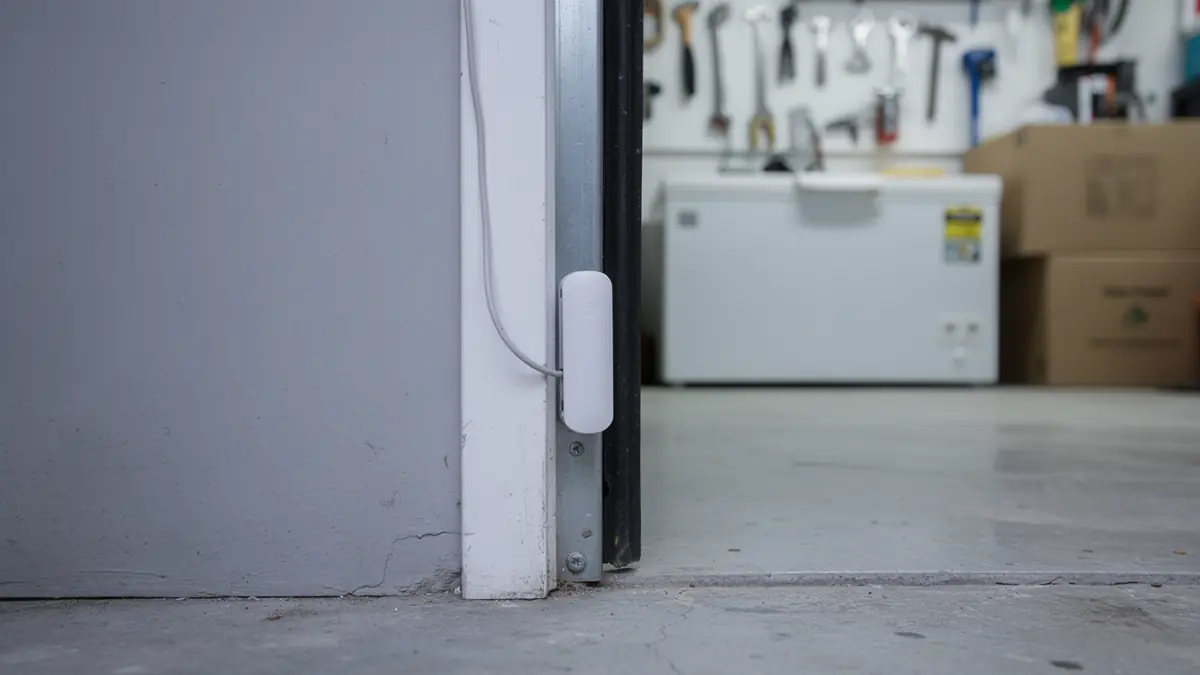
What Brandon Homeowners Actually Deal With on Garage Doors
Garage door costs and checks for Brandon homes built 1979-2013, where original hardware and mild-climate doors often need attention after two or three decades.
Read guide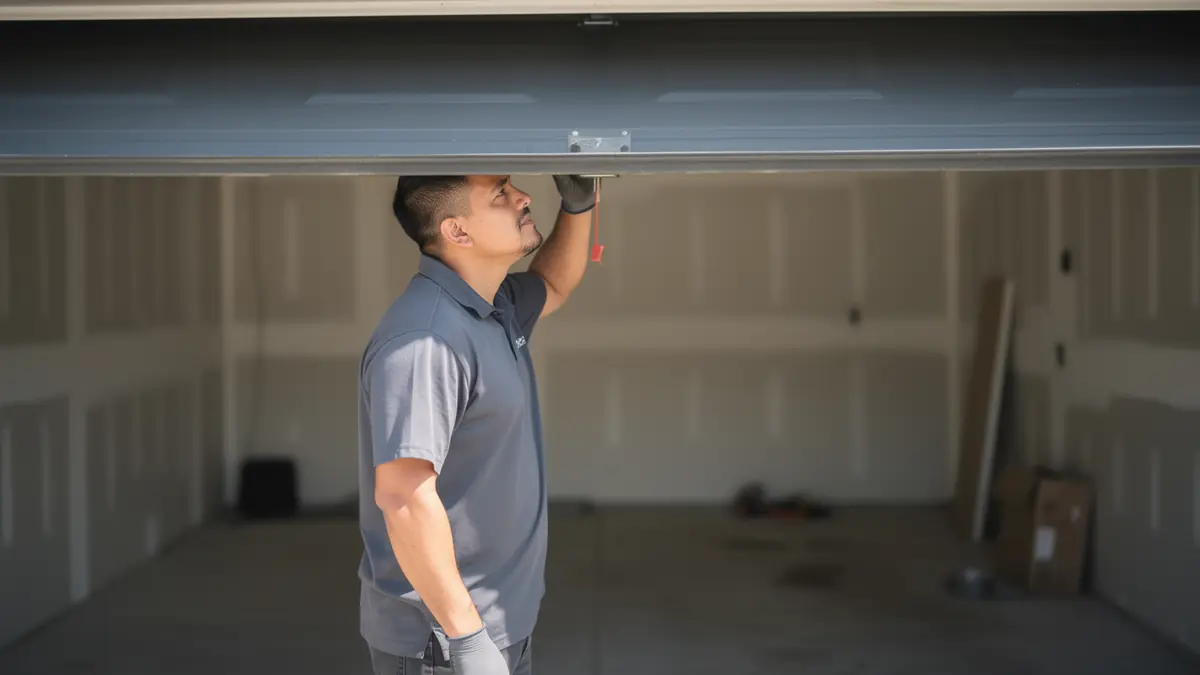
What a Service Call Actually Covers
A plain breakdown of what a Brandon garage door service call includes, what drives the cost, and what our mild climate and 1980s-2000s housing stock mean for your door.
Read guide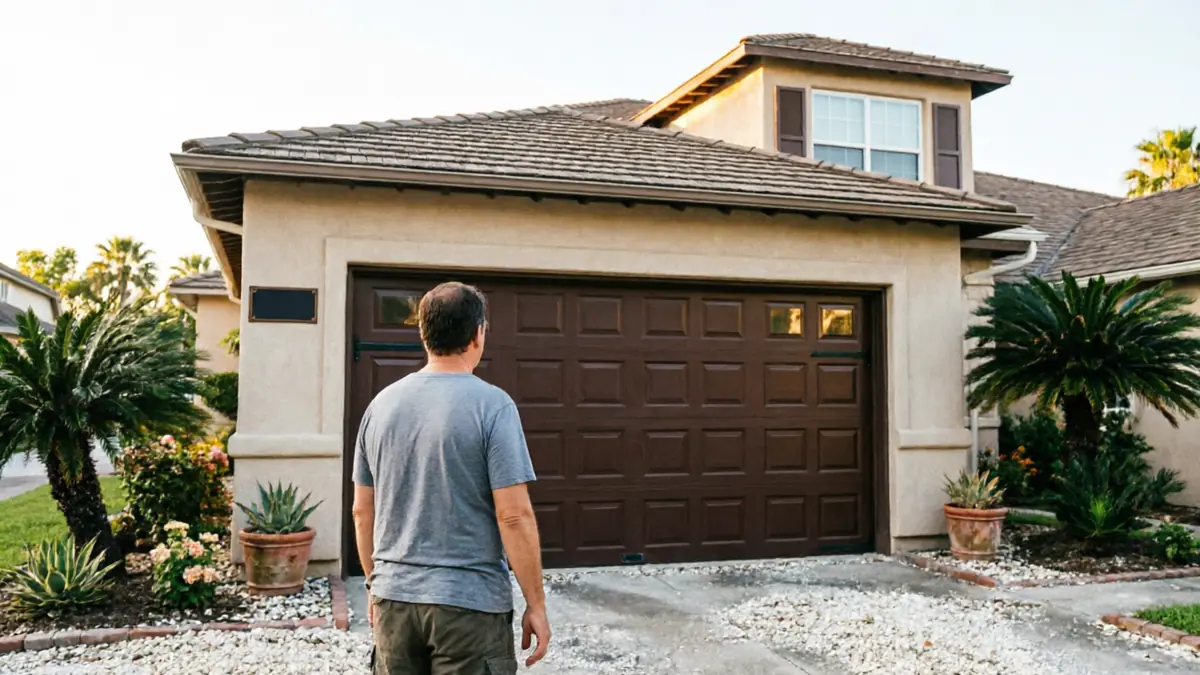
Why Your Garage Door Jumped the Track
Brandon's 1980s-90s housing stock and mild climate create specific track problems.
Read guideReady when you are
Need a garage door sorted in Brandon?
Brandon Garage Door Pros repairs and installs garage doors, springs and openers in Brandon, FL and the surrounding area.