Fixed-code board failing
Close behind that is a remote or keypad that stopped working reliably, which on an older unit is often the fixed-code board reaching the end of its life rather than a battery problem.
Brandon, FL
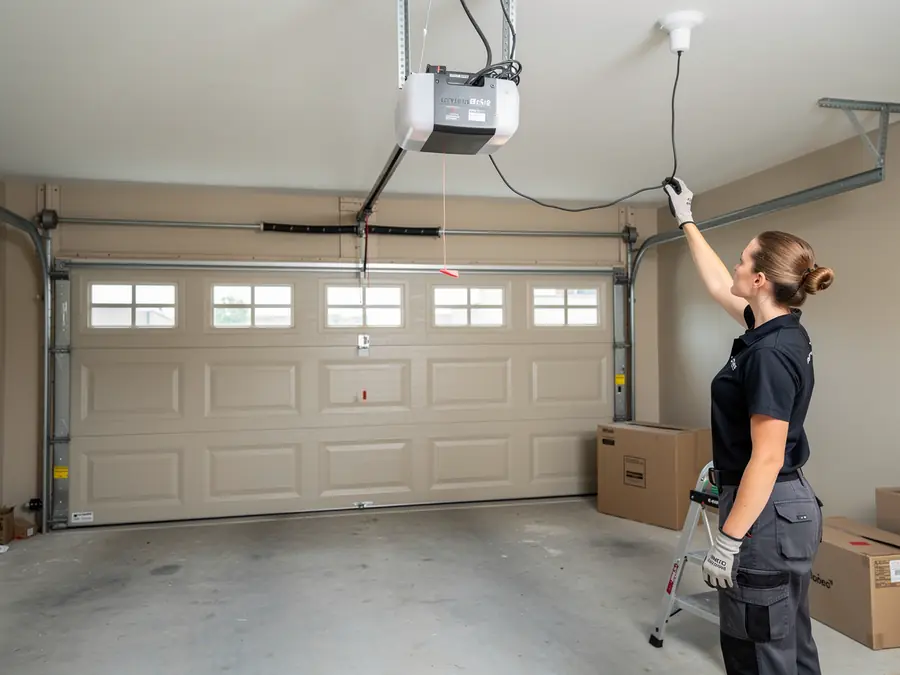
Garage door opener installation for Brandon, FL homes built 1979-2013, matched to the area's mild climate and the openers these houses actually came with.
Local causes
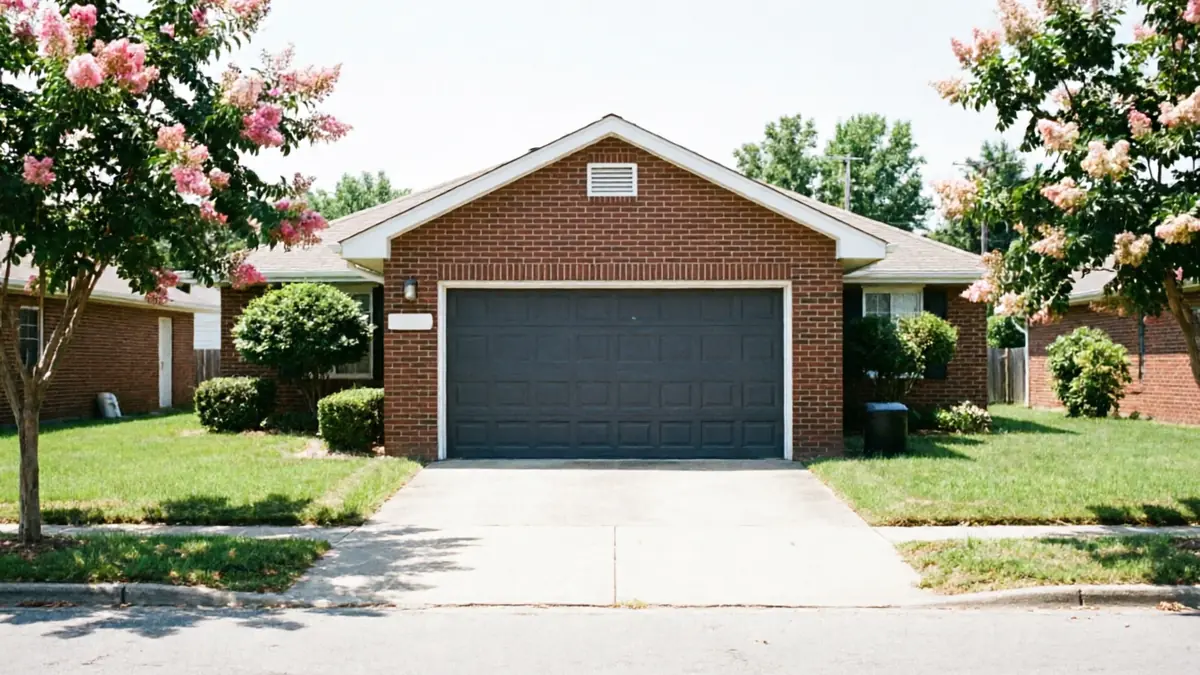
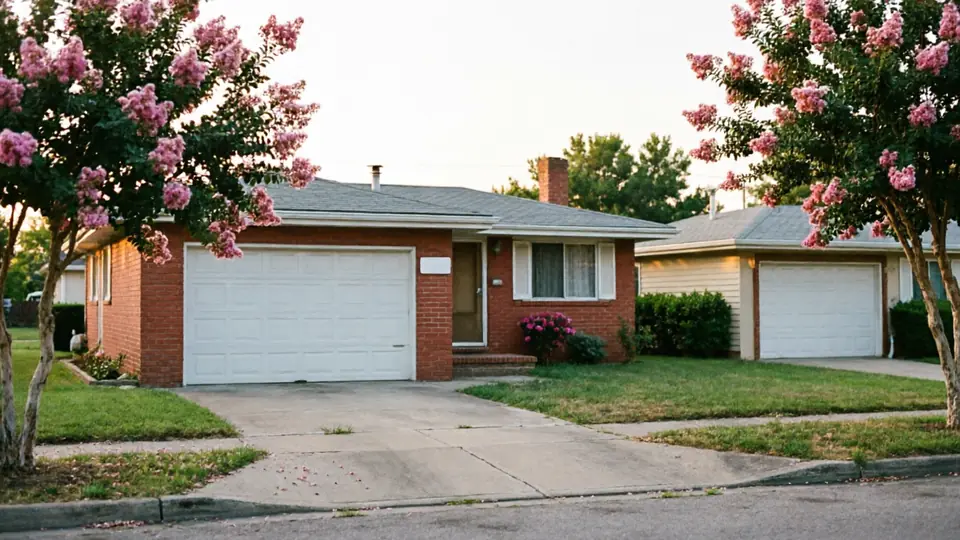
Most houses in and around Brandon went up between 1979 and 2013, with a lot of the stock clustering around 1991. That means a big share of the openers out there are either the original chain-drive units builders installed on spec, or a first-generation replacement from the late 90s or early 2000s. Those units were built for an attached garage in a mild climate, not for decades of continuous use, and they're now old enough that the circuit boards, logic systems, and safety sensors are past any reasonable service life. Brandon doesn't get the freeze-thaw cycles or heavy humidity swings that chew up metal housings further north, so you don't see rust-through on the unit itself. What you do see is a motor and gear set that's simply worn out from age, plus safety features - auto-reverse, rolling-code security, battery backup - that didn't exist or weren't standard when the house was built. When a 1991-era chain drive finally quits, you're not fixing 2024 tech. You're replacing something from a different generation of opener entirely.
Warning signs
The most common call is an opener that runs the motor but the door doesn't move, or moves part way and reverses - usually a stripped gear or a drive mechanism that's given out after years of use.
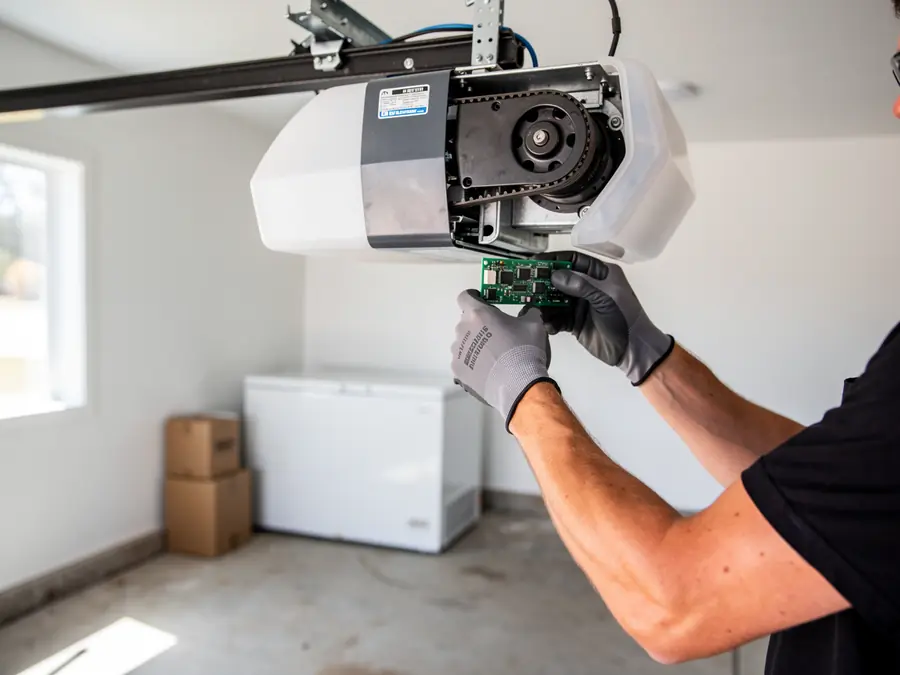
Close behind that is a remote or keypad that stopped working reliably, which on an older unit is often the fixed-code board reaching the end of its life rather than a battery problem.
Some owners notice the opener is loud in a way it wasn't a year ago - that grinding or slow-building whine is the gear set telling you it's close to done.
On installs from the 80s and early 90s specifically, we also see openers with no battery backup and no rolling-code security, which matters more now than it did when the house was built, since those are the units most exposed to older-generation code-grabbing devices. None of this is dramatic - it's wear, on schedule, on a machine that's run thousands of cycles a year since the house was new.
Pricing
We don't have a flat number to hand you here, because the range depends on the opener's drive type, horsepower, and whether your existing rail, hardware, and wiring can be reused or need to be swapped too. What we can tell you is what drives the number up or down: belt and direct-drive units cost more than chain drive but run quieter and need less adjustment over time; battery backup and smart-phone connectivity add to the unit price but not much to labor; and if your door is original to a house built in the 1980s or early 90s, there's a decent chance the track or header bracket needs attention at the same time, which is a separate line item from the opener itself. One honest limitation: if your garage doesn't have a dedicated outlet near the unit, or if the ceiling framing doesn't give us a clean mounting point, that adds time to the job that a straightforward swap wouldn't need.
Watch-outs
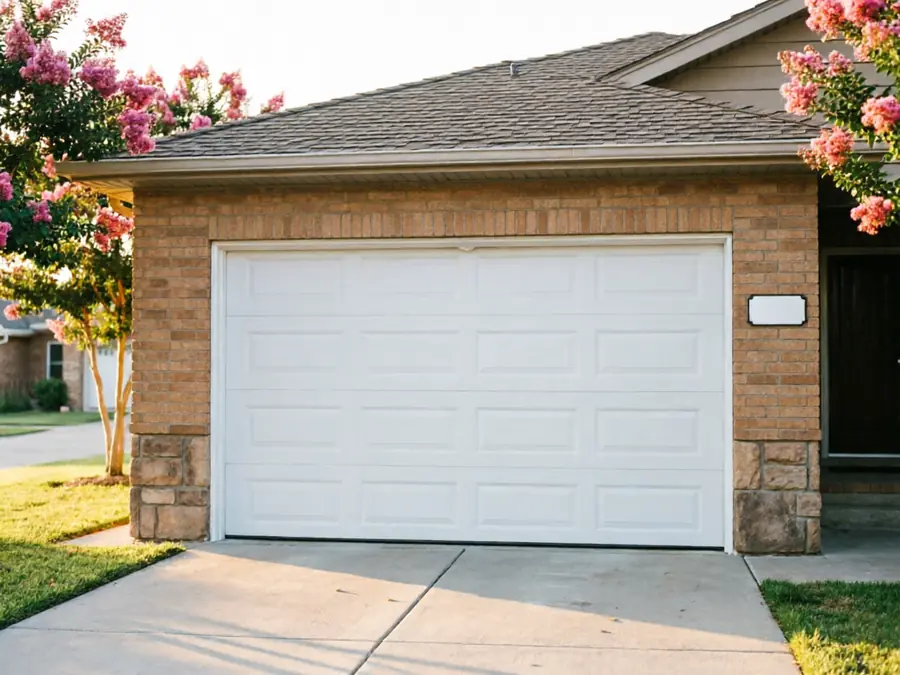
The usual way this goes wrong is skipping the travel and force settings after a new opener goes in. A door that's a little heavier or a little lighter than factory spec - which is common on older Brandon houses where the door itself may have been replaced once already - needs the opener's force limits reset by hand, not left on default. Skip that step and you get a unit that either won't close all the way or slams down hard enough to stress the track and hinges. The other place people get burned is reusing a rail or header bracket that's been flexing for twenty-plus years; it holds for a while, then lets go under the new motor's torque. And on houses where the opener sits over a workshop or storage area rather than a car, we sometimes find the wiring run was never upgraded for a unit with a camera or Wi-Fi module, so the smart features don't actually work until that gets sorted first.
Questions
Check the manufacture date sticker inside the motor housing. If your Brandon house was built in the early 1990s and the sticker reads within a few years of that, it's likely original. A sticker from the 2000s or later usually means someone already swapped it once.
Most need a grounded outlet near the unit and, for smart or camera-equipped models, a decent Wi-Fi signal in the garage. Houses built before the mid-90s sometimes have the outlet further from the header than current units like, which we account for during install.
No. If the door is hard to lift manually, the problem is almost always the springs, not the opener. Installing a new motor on a door with weak or broken springs just means the new unit works twice as hard and wears out faster.
Belt drive runs quieter, which matters most if the garage sits under or next to a bedroom. Chain drive costs less and handles heavier doors well. Neither is wrong - it comes down to what's over the garage and what the door weighs.
Explore more
Ready when you are
Brandon Garage Door Pros repairs and installs garage doors, springs and openers in Brandon, FL and the surrounding area.